After nearly 40 hours of flights and layovers, we stumbled into Utrecht just after midnight – not so much jet-lagged as overfed. Wondering if it was indigestion or appendicitis.
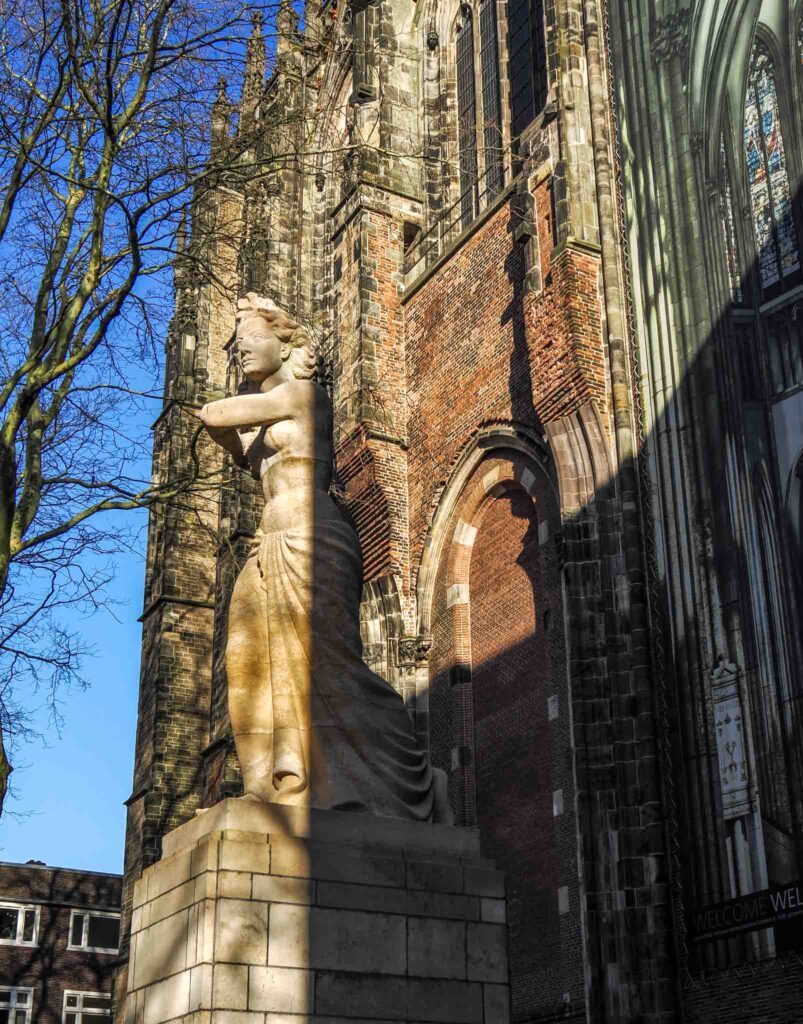
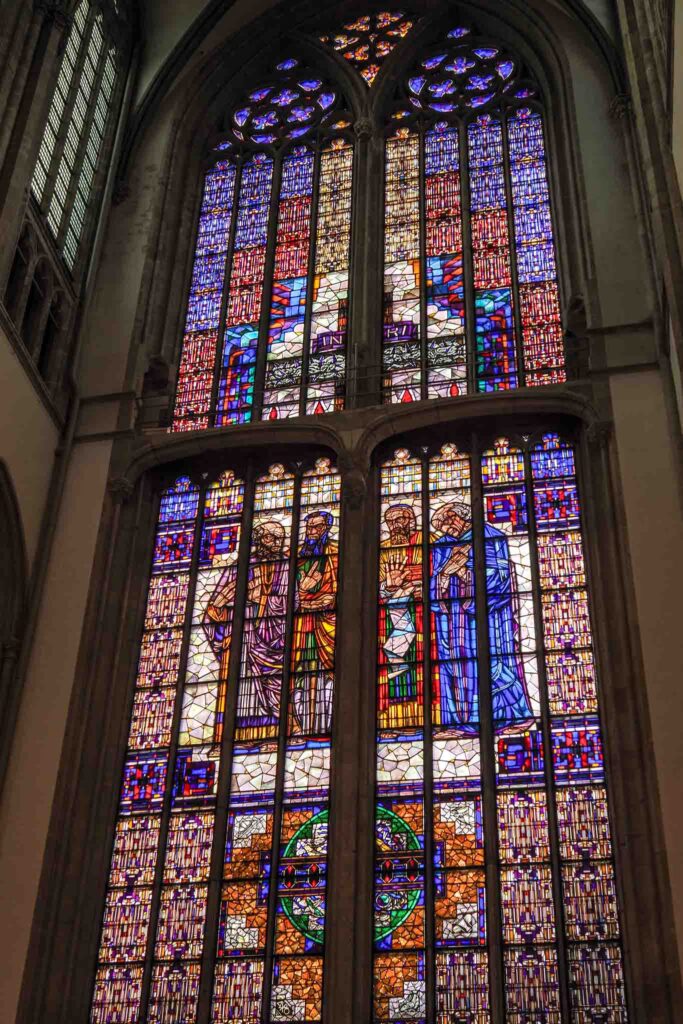
The next day, seeking redemption (or at least distraction), we made a beeline for Utrecht’s Domkerk – St. Martin’s Cathedral – just in time for a free drop-in lunchtime concert.
Best decision we made. All. Week.
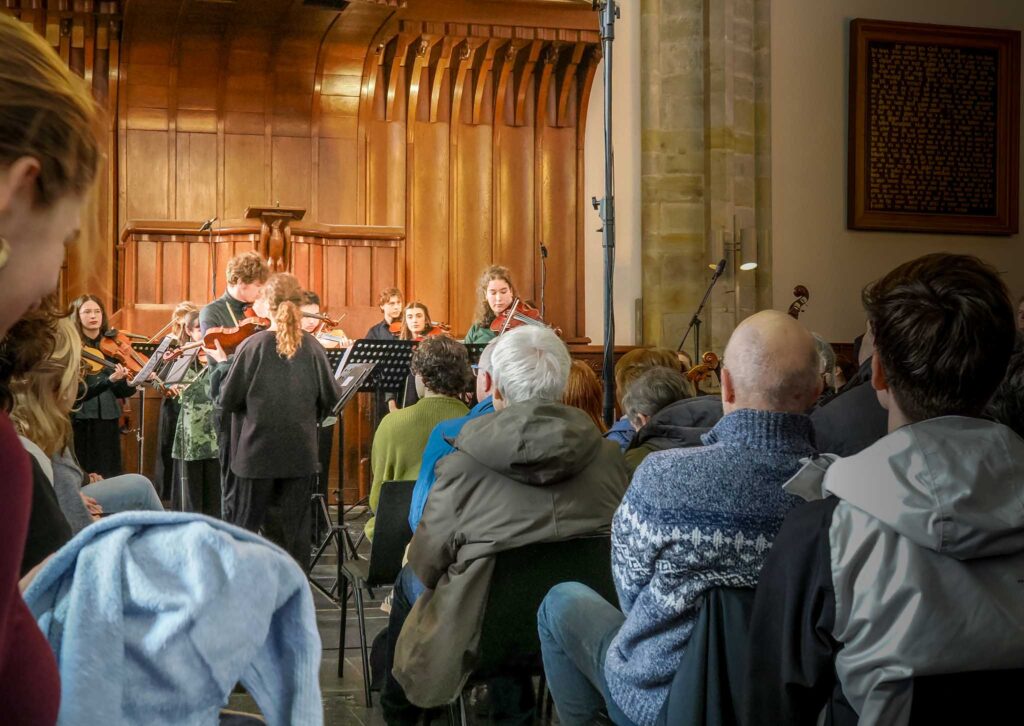
The Utrecht String Ensemble comprising students from all over the world calmly took their places on the cathedral’s floor. Smiles and waves were exchanged between musicians and some parts of the audience. I hoped I wasn’t gatecrashing a private function. They launched into Vaughan Williams’ Fantasia on a Theme by Thomas Tallis and suddenly all fears, trepidations and exhaustion turned to bliss.
The piece opens with low, sustained chords from the cellos and double basses – at times meditative, at times yearning – a stark contrast to the frantic chaos of the past two days. This is oxygenated stillness.
Then the upper strings enter, gentle and shimmering and the whole thing unfolds like a conversation between two separate orchestras. Renaissance meets English folk music. And it’s gorgeous.
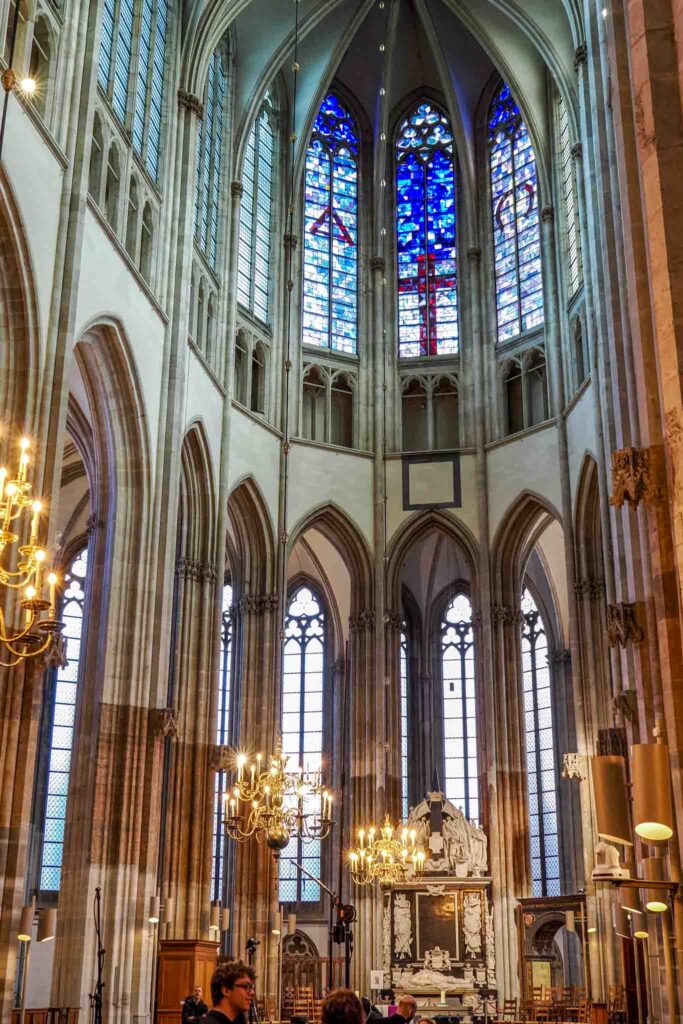
Vaughan Williams premiered this in Gloucester Cathedral in 1910, and it still sounds like it was written for stone arches and stained glass. Sitting there in Utrecht’s soaring cathedral, exhausted and disoriented, I felt like I’d been let in on a secret: this is what churches are actually for. Not just worship – this music that makes you feel small and enormous at the same time.
Then came Béla Bartók’s Divertimento.
If Vaughan Williams is a misty pilgrimage, Bartók is a bar fight. Both pieces are rooted in folk music – one English, one Hungarian – but the emotions couldn’t be more different. Bartók wrote his Divertimento in 1939, right before the world fell apart, and you can hear it. Dissonance, unease, primal energy barely held in check.
I couldn’t help grinning. One of my old piano teachers once confessed she hated Bartók’s work – too harsh, too much…? My other teacher adored him for exactly those reasons: his brutal honesty, his refusal to soften the edges. Alternating exam preparations between the two meant I’d joyfully tap my foot to Bartók’s rhythms while one teacher beamed and the other winced.
Bartók is a performer’s guilty pleasure and a casual listener’s acquired taste. Sitting there in that cathedral, watching these young musicians tear into it with the kind of confidence that comes from truly understanding the chaos – I felt absurdly grateful. For the music, for the moment, for whatever impulse made us drag ourselves out of bed to be here.
We’d been traveling for 40 hours. We were exhausted. The airplane smell was still in my nostrils.
But for 45 minutes in a Gothic cathedral, listening to students from all over the world play music written centuries and continents apart, we remembered why we do this.
That’s redemption enough for me.